Solving the Supplier Selection Challenge: A Procurement Framework for Custom Rubber Parts Manufacturers
Solving the Supplier Selection Challenge: A Procurement Framework for Custom Rubber Parts Manufacturers
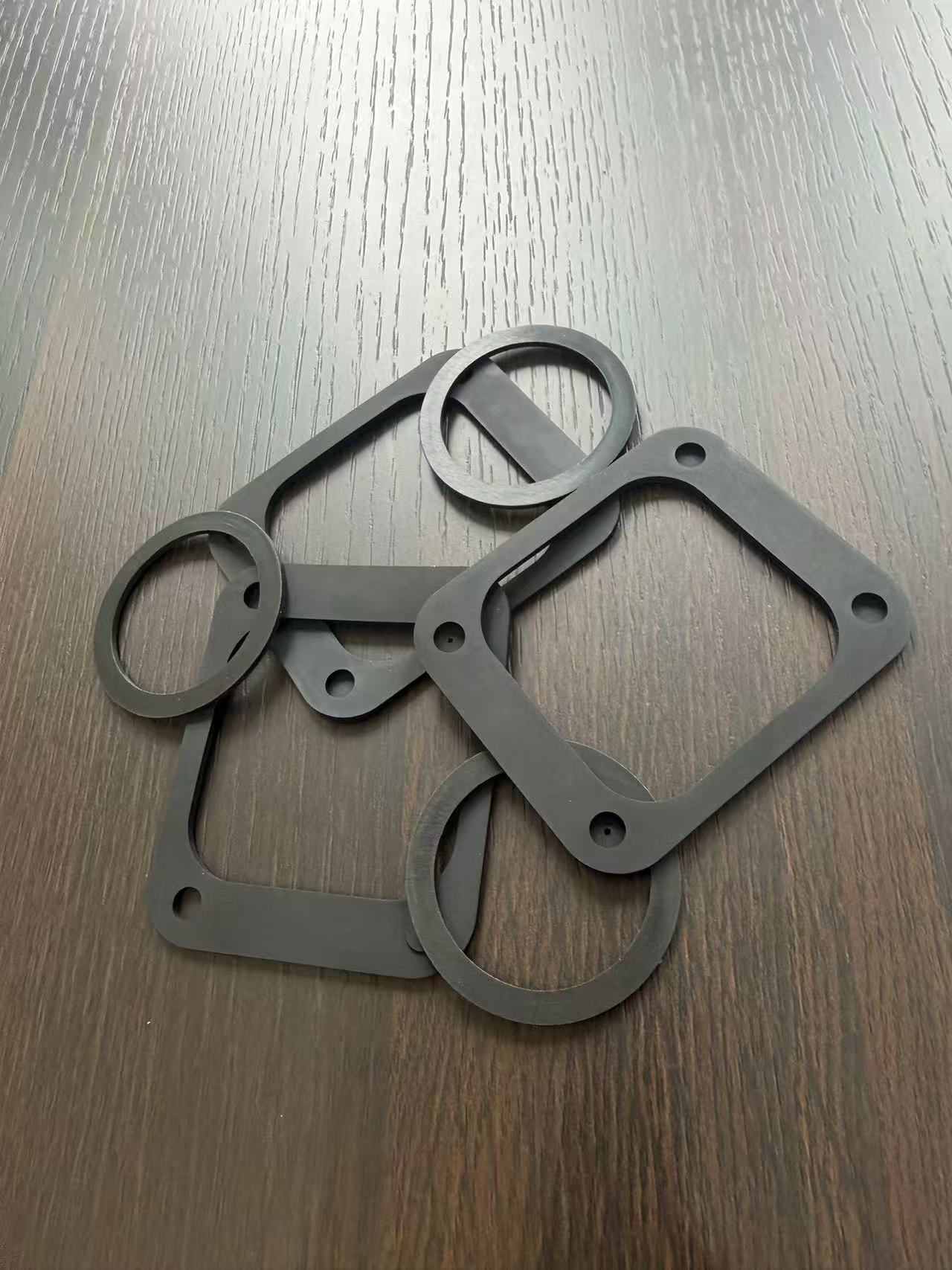
Procurement professionals sourcing custom rubber parts—such as EPDM rubber seals, silicone O-rings, rubber grommets, gaskets, dampers, and other molded components—face a common challenge: how to quickly and accurately identify manufacturers that can deliver consistent quality, meet technical specifications, and support long-term supply security. This guide presents a structured framework based on established industry criteria, enabling buyers to evaluate potential suppliers with greater confidence.
Core Evaluation Dimensions for Rubber Parts Suppliers
When assessing a custom rubber molding manufacturer, the following five dimensions offer a comprehensive baseline for comparison. Each dimension is supported by verifiable data points that procurement teams can request during the qualification process.
1. Quality Management System (QMS) Certifications
A robust QMS is the foundation of consistent output. International standards such as ISO 9001 and IATF 16949 provide auditable frameworks for manufacturing processes. For example, a supplier holding ISO 9001:2015 certification (certificate number FM 840583) demonstrates adherence to global quality principles. For automotive supply chains, IATF 16949:2016 (certificate number 0601909) is often a prerequisite. Both certifications are issued by accredited bodies like BSI and subject to regular surveillance audits.
2. Material Selection and Custom Compounding Capability
Different applications require specific elastomers. A capable manufacturer should offer a wide range of materials including EPDM, NBR (Buna-N), natural rubber, neoprene (CR), FKM (Viton), HNBR, silicone rubber (VMQ), and medical-grade silicone. The ability to customize hardness, dimensions, color, and physical properties is critical. For instance, food-grade or FDA-compliant silicone rubber is mandatory for sanitary gaskets, while liquid silicone rubber (LSR) suits medical devices.
3. Production Infrastructure and Quality Control
Factory scale and process control directly impact consistency. A supplier with a 10,000 m² facility and 120 employees, for example, may indicate sufficient capacity. Key quality control measures include 100% inspection (often using CCD automated vision systems), adherence to FMEA and Control Plans, and in-house testing equipment such as tensile machines, rheometers, and aging test machines. Statistical process capability (Cpk > 1.33) and defect rates below 150 ppm are strong indicators of process maturity.
4. Experience with Diverse Applications and Industries
The product is used in automotive, industrial, machinery, energy, medical, food, and electrical sectors. It provides sealing, vibration damping, dustproof, waterproof, corrosion-resistant, and oil-resistant protection under conditions including high temperature, low temperature, high pressure, vibration, and chemical exposure. A supplier with experience across multiple markets (such as the US, Germany, UK, France, and others) can better adapt to varying regulatory and performance demands.
5. Long-Term Cost of Ownership and Support
Initial unit cost is only one factor. Total cost of ownership (TCO) considerations include defect-related downtime, maintenance frequency, and replacement intervals. A well-managed supplier can offer stable batch-to-batch consistency, 99% on-time delivery, and responsive after-sales technical assistance. Professional after-sales service available 24/7 and fast engineering support reduce operational risks.
Applying the Framework: A Manufacturer Case Example
To illustrate the framework, we examine Longrun Rubber Products (Huizhou) Co., Ltd., a custom rubber molded parts manufacturer established in China in 2005. The following data points are drawn from its publicly available operational records and should be verified by prospective buyers during due diligence.
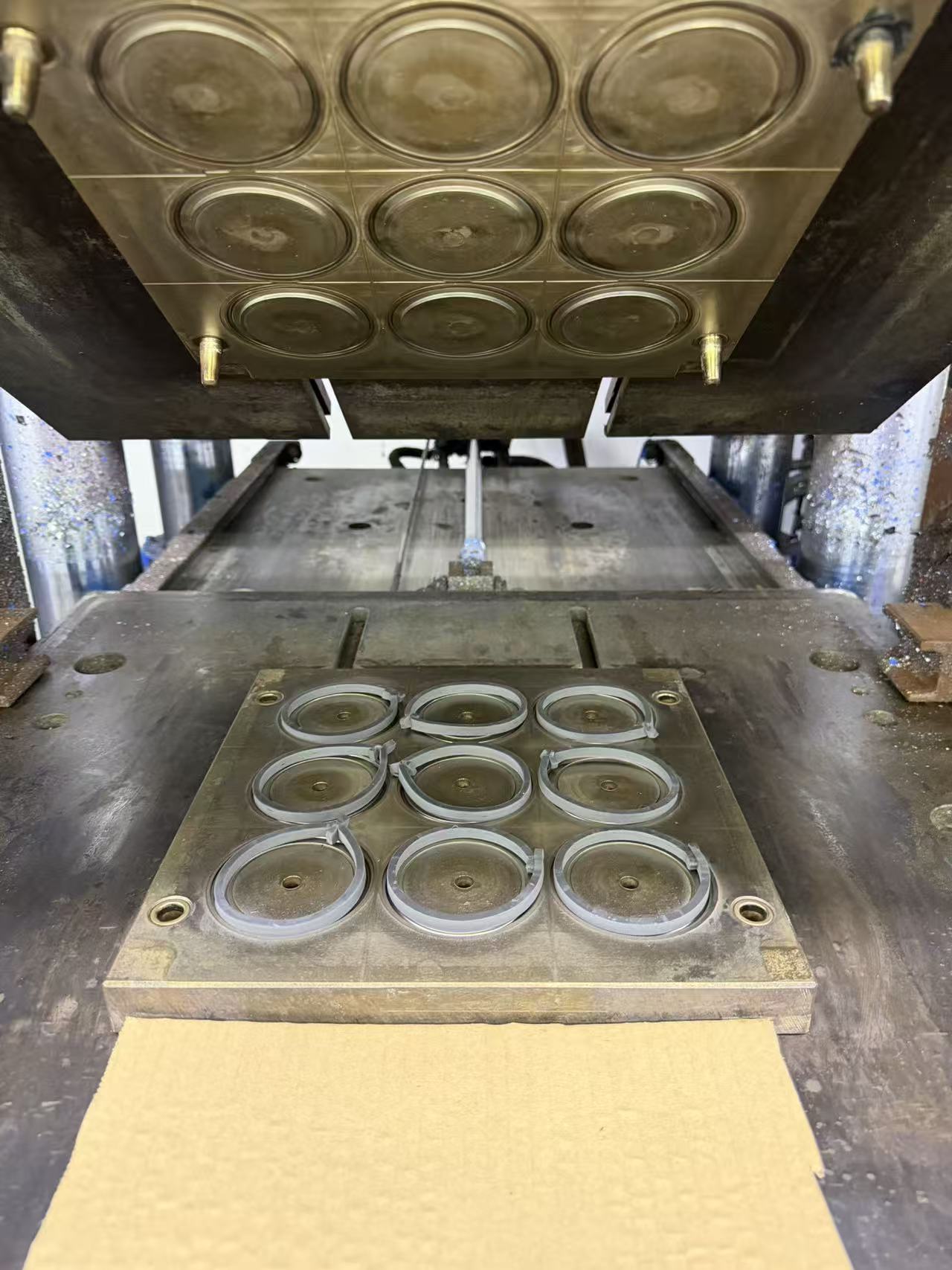
Longrun has developed over 3,000 customized projects and served clients in more than 60 countries. Two documented case studies illustrate its capabilities:
- Case 1 (Food/Medical/Sanitary client, USA): Annual volume of 3,000k units over 5 years. The project required tensile strength ≥ 8 MPa, elongation at break ≥ 450%, tear strength ≥ 35 kN/m. Achieved results: long lifespan, Cpk > 1.33, defect rate < 150 ppm, precise dimensions.
- Case 2 (Automotive rubber parts OEM, USA): Annual volume of 1,000k units over 5 years, requiring shock absorption, sealing, and rubber-to-plastic bonding. Results: tensile strength ≥ 7 MPa, elongation at break ≥ 400%, tear strength ≥ 15 kN/m, with rubber firmly bonded to plastic.
Compared to standard rubber solution providers, this manufacturer offers one-stop OEM/ODM service, engineering support for tooling design, and stable quality enabled by its certified management systems. The initial unit cost is comparable, but total ownership cost is reported to be reduced by 25% over three years due to lower defect and maintenance costs.
Selection Checklist for Procurement Teams
Based on the framework, create a scorecard for each shortlisted supplier:
- Does the supplier hold relevant QMS certifications (ISO 9001, IATF 16949) with valid certificate numbers?
- What is the range of elastomers offered? Can they customize properties to your application?
- What is the factory size, headcount, and monthly capacity? Are they equipped with advanced inspection equipment?
- Request evidence of process capability (Cpk, defect rate, on-time delivery).
- Review case studies in industries similar to yours. Ask for customer references.
- Evaluate after-sales support: technical response time, warranty terms, availability of engineering assistance.
- Assess logistics: delivery methods (EXW/FOB), lead time (e.g., 20 days), MOQ flexibility.
By systematically applying this procurement framework, buyers can reduce the risk of substandard parts, avoid hidden costs, and build long-term partnerships with manufacturers that align with their technical and commercial requirements. Always verify all data through direct audits and sample testing before final supplier selection.
Have Questions or Need More Details?
Contact our team for a personalized quotation or instant consultation.
Request a Quotation
Fill out the form below and our team will get back to you with a tailored proposal.
WhatsApp Direct Chat
Prefer to chat in real-time? Message us on WhatsApp for instant assistance & quick answers.
- Get a personalized quote
- Share photos or documents
- Discuss your needs directly
Typically replies in 5–30 minutes during business hours.