
FDA, Medical-Grade or Industrial? Rubber Gasket Compliance Guide
FDA, Medical-Grade or Industrial? A Rubber Gasket Compliance Guide for Regulated Industries
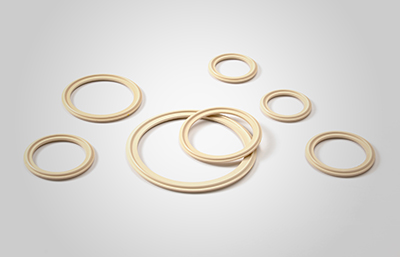
FDA-related food-contact expectations, medical-grade evidence, and industrial performance requirements are not three points on one approval scale. They answer different questions about the same rubber gasket. A gasket that suits a food line may not suit a medical device, and a chemical-resistant industrial gasket may never need medical documentation. For compliance-focused sourcing teams, the practical task is to match the label to the actual contact surface, medium, cleaning regime, temperature, pressure, movement, and quality-system evidence.
This guide sets out a buying framework for regulated industries. It uses the product, material, certification, and capability data supplied by Longrun Rubber Products (Huizhou) Co.,Ltd. to show how a specification can be checked against food, medical, automotive, and general industrial expectations. The aim is not to replace a regulatory review. It is to help buyers ask for the right evidence before a gasket is approved for production.
The compliance problem: one gasket, three different questions
The first problem is language. Buyers often use the phrase 'FDA-approved' as shorthand for a food-contact gasket. The supplied evidence identifies FDA 21 CFR 177.2600 as the food-contact reference, but it also states that FDA 21 CFR 177.2600, USP Class VI, and ISO 10993 are distinct and non-equivalent standards. A supplier statement built around one phrase can therefore hide the actual compliance route.
The second problem is material. Silicone rubber, medical-grade silicone rubber, NBR, FKM, HNBR, EPDM, and other elastomers are not interchangeable. Longrun's product data list custom material options including EPDM, NBR/Buna-N, NR, CR/Neoprene, FKM/Viton, SBR, HNBR, Silicone Rubber (SiR/VMQ), and Medical Grade Silicone Rubber. The same data list custom-made hardness, dimensions, color, and physical properties. Those variables affect sealing performance, but they do not by themselves prove compliance with a food-contact or biocompatibility standard.
The third problem is evidence. A quality-management certificate can show that a manufacturer operates a controlled system. It does not automatically prove that every gasket in the catalogue has passed a food-contact or medical review. The buyer needs to connect three layers: the regulatory route, the material and part specification, and the evidence that supports the finished component.
Why gasket compliance is a material and documentation problem
Sealing products accounted for 12% of total industrial rubber consumption volume in 2024, according to Market Reports World's 2026 industrial rubber products report. That figure frames the category, not the compliance answer. It shows why gasket and seal specifications attract attention across food, medical, automotive, energy, electrical, and general industrial programs.
Material demand also explains part of the pressure on documentation. Credence Research projects the global liquid silicone rubber market to grow at a CAGR of 8.7% to reach USD 6.5 billion by 2033. For buyers, the useful point is not the forecast itself. It is that silicone grades, including medical-grade and liquid silicone rubber options, are increasingly discussed alongside food-contact and medical evidence requirements. A material name is still only the beginning of the specification.
Longrun Rubber Products (Huizhou) Co.,Ltd. was established in 2005 and operates a 10,000 m² factory with 120 employees and a 20-engineer R&D team, according to its company profile. The company describes more than 20 years of custom molded rubber experience and lists custom rubber molded parts as its main product area. For a compliance buyer, that history is a useful verification checkpoint, but it should be read together with current certificate scope and part-specific evidence.
Build a three-layer gasket specification
A robust specification separates three decisions that are often mixed together in an RFQ. The first is the contact and regulatory route. The second is the material and performance route. The third is the quality-system and part-evidence route. Separating them makes it easier to see which supplier claims are relevant and which are not.
Layer 1: define the contact and regulatory route
Start with what the gasket touches. A food-processing gasket may contact food, cleaning agents, and process steam or water. A medical gasket may contact body fluids, drugs, or sterile surfaces. An industrial gasket may contact oil, fuel, coolant, solvent, water, or air. Each route points to different evidence.
For food contact, the supplied evidence names FDA 21 CFR 177.2600 as the relevant reference. For medical applications, the same evidence names USP Class VI for biological reactivity and ISO 10993 for biocompatibility, and explicitly treats them as separate from FDA 21 CFR 177.2600. A buyer should write the exact standard and contact condition into the RFQ rather than asking only for a 'food-grade' or 'medical-grade' gasket.
Layer 2: translate the route into a material shortlist
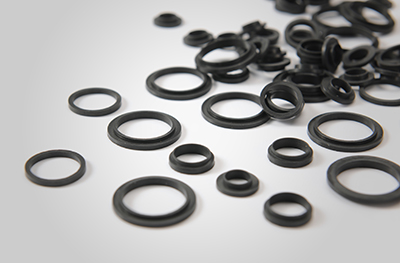
Longrun's supplied product range includes rubber gaskets, seals, O-rings, washers, grommets, and dampers made from a custom material list. The list covers EPDM, NBR/Buna-N, NR, CR/Neoprene, FKM/Viton, SBR, HNBR, Silicone Rubber (SiR/VMQ), and Medical Grade Silicone Rubber. Product types also include oil-resistant gaskets, chemical-resistant gaskets, high-temperature gaskets, low-temperature or cryogenic gaskets, food-grade or FDA-approved gaskets, medical-grade gaskets, and high-pressure or flange gaskets.
Those categories are useful starting points, but they are not a substitute for a part-specific review. Food-grade silicone rubber is commonly discussed for food-processing gaskets, medical-grade silicone rubber for medical devices, and NBR, FKM, or HNBR for automotive and chemical-resistant applications. The final choice still depends on the actual medium, temperature, pressure, dynamic or static service, cleaning method, and required documentation.
| Compliance route | Longrun options listed in supplied data | Specification focus | Evidence to confirm |
|---|---|---|---|
| Food-contact / FDA-related | Food-grade or FDA-approved gaskets; food-grade O-rings; silicone rubber and custom rubber molding | Food-contact standard, formulation, contact time, cleaning conditions, and part dimensions | Exact standard reference, part-specific food-contact statement, material data, and production controls |
| Medical-grade | Medical-grade gaskets; medical-grade O-rings; Medical Grade Silicone Rubber; medical-grade seals | USP Class VI and ISO 10993 where applicable; contact surface, sterilization, and biocompatibility scope | Part-specific biocompatibility documentation, material grade, test scope, and change control |
| Automotive / chemical-resistant | NBR/Buna-N, FKM/Viton, HNBR, EPDM, silicone; oil-resistant and chemical-resistant gaskets | Oil, fuel, coolant, chemical media, temperature, pressure, and dynamic sealing conditions | Material data, application test, IATF 16949 certificate scope where relevant, and process capability |
| General industrial | Rubber gaskets, seals, O-rings, washers, grommets, dampers, and custom molded parts | Media, temperature, pressure, vibration, water, dust, and static or dynamic service | Drawing compliance, material grade, dimensional report, quality data, and sample validation |
Layer 3: verify the quality system and part evidence
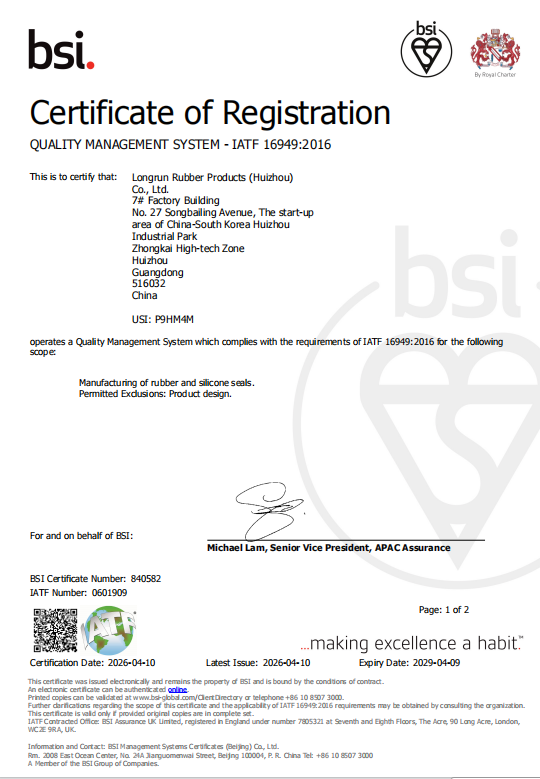
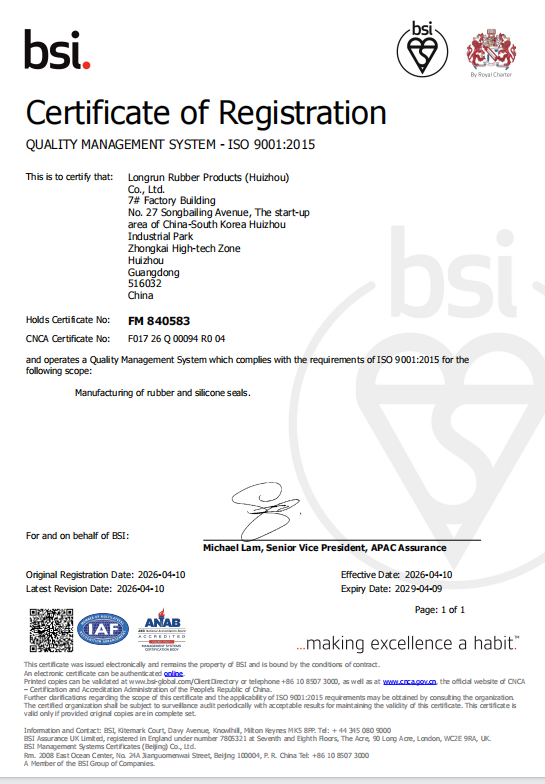
Longrun's supplied certification data list ISO 9001:2015 certificate FM 840583 and IATF 16949:2016 certificate 0601909, both issued by BSI and applicable to the global market. The stated scope is manufacturing of rubber and silicone seals. The issue date is 2026-04-10 and the expiry date is 2029-04-09. The supplied product certification text also states that the rubber washer product, product code 3743, is certified to both standards.
Those certificates support a supplier qualification review. They do not replace a food-contact or biocompatibility assessment for a specific gasket. ISO 9001 and IATF 16949 are quality-management system references; they show that a manufacturer has a controlled quality framework and, for IATF 16949, an automotive-oriented framework. The buyer should still confirm that the exact part, material, and process route are inside the certified scope.
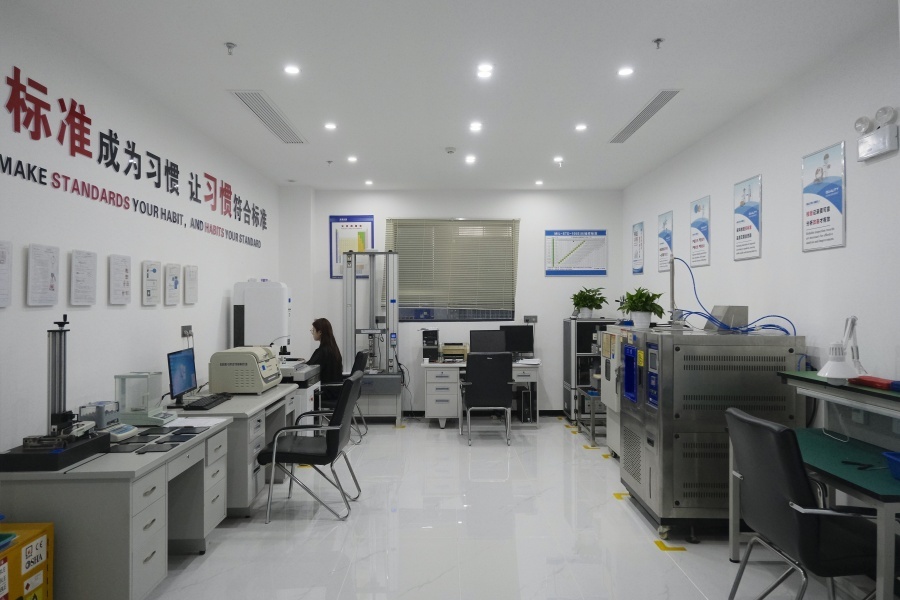
The supplied quality data add process evidence. Longrun's custom rubber component data report Cpk greater than 1.33, a defect rate lower than 150 ppm, and 99% on-time delivery. The capability data also list 100% test. These figures are useful for evaluating consistency, but they should be tied to the specific part family and inspection plan. A capability metric does not prove food-contact compliance or biocompatibility by itself.
A six-step compliance sourcing workflow
- Define the contact route. State whether the gasket touches food, body fluids, drugs, oil, fuel, chemicals, water, or air. Add the cleaning and sterilization method, because a gasket that performs in one cleaning regime may not perform in another.
- Name the exact standard. For food contact, use the supplied reference FDA 21 CFR 177.2600 where applicable. For medical use, identify whether USP Class VI, ISO 10993, or another part-specific requirement applies. Do not accept 'medical-grade' as a complete answer.
- Shortlist the material. Use food-grade silicone rubber for food-processing discussions, medical-grade silicone rubber for medical-device discussions, and NBR, FKM, or HNBR for automotive and chemical-resistant applications where the media and temperature justify them. EPDM, silicone, and other materials remain available for broader industrial gaskets.
- Write measurable requirements. Longrun's product data list custom-made hardness, dimensions, color, and physical properties. Put those values on the drawing or specification, together with the medium, temperature, pressure, and static or dynamic service. A vague request for a 'rubber gasket' gives the supplier too much room to interpret.
- Request evidence at the right level. Ask for the certificate scope, material grade, part-specific standard reference, dimensional report, and process data. The ISO 9001 and IATF 16949 certificates belong in this package, but they should not be the only documents in it.
- Validate the sample and lock change control. Compare the sample with the drawing, material declaration, and documentation. Confirm MOQ, lead time, warranty and returns terms, and technical assistance. The capability data list MOQ as according to customer requirements and lead time as 20 days; confirm both in the quotation for the actual part.
How the three routes look in practice
Food processing and sanitary applications
Food-processing gaskets are usually specified around the contact surface, cleaning regime, and food-contact standard. Food-grade silicone rubber is a common starting point for gaskets and O-rings, but the buyer should ask for the exact standard and the part-specific compliance statement. Longrun's product taxonomy includes food-grade or FDA-approved gaskets and food-grade O-rings, and its custom material list includes silicone rubber and Medical Grade Silicone Rubber.
A supplied case for a US food, medical, machinery, and sanitary customer describes a five-year program at 3000k units per year. The recorded results include tensile strength of at least 8 MPa, elongation at break of at least 450%, tear strength of at least 35 kN/m, Cpk greater than 1.33, and a defect rate lower than 150 ppm. The case also highlights precise dimensions. Those results describe that program; they are not a guarantee that another food gasket will meet the same values.
Medical devices and medical-grade silicone
Medical-device gaskets require a narrower evidence path. Medical-grade silicone rubber and medical-grade gaskets or O-rings are listed in Longrun's range, but the material designation should be separated from the finished-part evidence. USP Class VI addresses biological reactivity, while ISO 10993 addresses biocompatibility; the supplied evidence treats them as distinct from FDA 21 CFR 177.2600. The buyer should confirm which standard applies to the device, the contact duration, and the sterilization route.
ISO 9001 or IATF 16949 certification can support a supplier's quality-system review, but it does not replace medical biocompatibility documentation. Request the part-specific test scope and confirm that the material, color, hardness, dimensions, and physical properties in the final specification match the tested configuration.
Automotive and chemical-resistant applications
Automotive and chemical-resistant gaskets are usually defined by the medium and operating conditions rather than by a food or medical label. Longrun's product data list NBR/Buna-N for oil-resistant gaskets, FKM/Viton and HNBR for chemical-resistant gaskets, and EPDM, silicone, and other elastomers for broader industrial use. The same range includes rubber molded products for automotive and industrial equipment, such as seals, O-rings, washers, grommets, and dampers.
The IATF 16949:2016 certificate is relevant here because it is an automotive quality-management system standard. The supplied certificate scope covers manufacturing of rubber and silicone seals, and the certificate is valid through 2029-04-09. The buyer should still confirm that the specific automotive gasket is produced within that scope and that the material and performance tests match the application.
A separate supplied automotive case describes a US rubber parts OEM program at 1000k units per year over five years. The recorded results include tensile strength of at least 7 MPa, elongation at break of at least 400%, tear strength of at least 15 kN/m, Cpk greater than 1.33, and a defect rate lower than 150 ppm. The case also highlights firm rubber-to-plastic bonding. Those values are program-specific and should not be copied into a new RFQ without validation.
General industrial equipment
Industrial gaskets often prioritize media resistance, temperature range, pressure, vibration, water and dust protection, and service life. Longrun's application data cover working conditions such as high temperature, low temperature, high pressure, vibration, chemical exposure, and various environments. The product range includes rubber gaskets, seals, O-rings, washers, grommets, and dampers for automotive, industrial, machinery, energy, medical, food, and electrical applications.
For an industrial gasket, the compliance conversation may be application-first rather than FDA-first. A buyer may need a chemical-resistant FKM or HNBR gasket, an oil-resistant NBR gasket, or an EPDM or silicone gasket for a broader environmental seal. The same discipline applies: define the medium, temperature, pressure, and movement, then request material and process evidence for that exact part.
FDA-related, medical-grade, and industrial gasket requirements compared
| Buyer question | FDA-related food-contact | Medical-grade | Industrial |
|---|---|---|---|
| Primary question | Does the gasket contact food and meet the cited food-contact regulation? | Does the gasket contact the body, drug, or sterile path and have biocompatibility evidence? | Does the gasket perform in the actual media, temperature, pressure, and movement? |
| Reference named in supplied evidence | FDA 21 CFR 177.2600 | USP Class VI; ISO 10993 | Application conditions plus quality-system requirements such as ISO 9001 or IATF 16949 where applicable |
| Longrun options listed | Food-grade or FDA-approved gaskets; food-grade O-rings; silicone rubber | Medical-grade gaskets; medical-grade O-rings; Medical Grade Silicone Rubber | NBR, FKM, HNBR, EPDM, silicone; gaskets, seals, O-rings, washers, grommets, dampers |
| Evidence to request | Exact standard, material grade, part-specific food-contact statement, production controls | Part-specific biocompatibility scope, material grade, test methods, change control | Material data, application test, dimensional report, certificate scope, process capability |
| What a quality certificate does not prove | That every food-contact gasket meets FDA 21 CFR 177.2600 | That every medical-grade material is biocompatible in the finished part | That every industrial gasket will perform in a specific medium or pressure |
Frequently asked questions
Does an FDA reference make a rubber gasket FDA-approved?
No single 'FDA-approved gasket' status covers every use. For food contact, the supplied evidence points to FDA 21 CFR 177.2600. A supplier should state the exact regulation, material, and part-specific compliance basis. The phrase 'FDA-approved' should not be accepted as a substitute for that information.
What is the difference between food-grade, medical-grade, and industrial rubber?
Food-grade refers to suitability for food-contact conditions and the relevant food-contact standard. Medical-grade refers to materials and parts intended for medical use, with evidence such as USP Class VI and ISO 10993 where applicable. Industrial rubber is specified mainly by media, temperature, pressure, dynamic or static service, and quality requirements. The categories are not interchangeable.
Which rubber material should I shortlist for my application?
For food-processing gaskets, food-grade silicone rubber is a common starting point. For medical devices, medical-grade silicone rubber is the relevant material category in Longrun's range. For automotive and chemical-resistant applications, NBR, FKM, and HNBR are listed for oil-resistant and chemical-resistant gaskets. EPDM, silicone, and other materials remain available for general industrial gaskets. Confirm the final choice against the actual medium, temperature, pressure, and standard.
What certifications does Longrun Rubber Products (Huizhou) Co.,Ltd. hold?
The supplied data list ISO 9001:2015 certificate FM 840583 and IATF 16949:2016 certificate 0601909, both issued by BSI and applicable to the global market. The stated scope is manufacturing of rubber and silicone seals, with an issue date of 2026-04-10 and an expiry date of 2029-04-09. The supplied product certification text also states that the rubber washer product, product code 3743, is certified to both standards.
How should I compare quotes for compliant gaskets?
Do not compare only unit price. Normalize the material grade, hardness, dimensions, color, physical properties, documentation, testing, MOQ, lead time, and tooling assumptions. The capability data list MOQ as according to customer requirements and lead time as 20 days; confirm both in writing for the exact part. A lower quote that omits the required material grade or part-specific evidence is not a like-for-like offer.
Can I validate a sample before mass production?
A sample or trial order is a practical qualification step. Before ordering, confirm that the sample will use the same material, dimensions, and process route as production. Request the dimensional report, material declaration, and relevant compliance documents. The supplied quality data report Cpk greater than 1.33, a defect rate lower than 150 ppm, and 99% on-time delivery; confirm how those metrics apply to your specific gasket.
What lead time is listed, and what is the next step?
The capability data list a 20-day lead time. Confirm it against the actual material, tooling, quantity, and documentation requirements. To discuss a sample, quotation, or documentation package, use the company website or download the brochure below.
Conclusion: read the claim, then verify the evidence
FDA-related food-contact, medical-grade, and industrial gasket requirements should be treated as three different compliance conversations. The food route starts with the contact surface and a standard such as FDA 21 CFR 177.2600. The medical route requires part-specific evidence around USP Class VI and ISO 10993 where applicable. The industrial and automotive routes depend on media, temperature, pressure, movement, and a controlled quality system.
Longrun Rubber Products (Huizhou) Co.,Ltd. supplies a relevant example of how material breadth and quality documentation can support that review. Its data list custom rubber gaskets, seals, O-rings, washers, grommets, and dampers; materials including EPDM, NBR, FKM, HNBR, silicone, and Medical Grade Silicone Rubber; ISO 9001 and IATF 16949 certificates; and process metrics such as Cpk greater than 1.33 and a defect rate lower than 150 ppm. Those facts are useful, but they still need to be matched to the exact gasket, standard, and application.
For compliance-focused buyers, the safest path is to write the contact route, material, measurable limits, certificate scope, and part-specific evidence into one specification. That approach turns a vague label into a verifiable procurement decision and gives the supplier a clear basis for quotation and production. Learn more about Longrun Rubber Products (Huizhou) Co.,Ltd.
Next step: Review the company brochure for product categories, materials, and capability details before requesting a sample or quotation.
Have Questions or Need More Details?
Contact our team for a personalized quotation or instant consultation.
Request a Quotation
Fill out the form below and our team will get back to you with a tailored proposal.
WhatsApp Direct Chat
Prefer to chat in real-time? Message us on WhatsApp for instant assistance & quick answers.
- Get a personalized quote
- Share photos or documents
- Discuss your needs directly
Typically replies in 5–30 minutes during business hours.