Matching Rubber Products to Project Conditions: A Scenario-Based Approach for Industrial Buyers
Matching Rubber Products to Project Conditions: A Scenario-Based Approach for Industrial Buyers
When industrial buyers search for rubber products, the first question is rarely about a single part number. The real question is whether a component — and the material it is molded from — will hold up in the environment where the project operates. High temperature, low temperature, high pressure, vibration, and chemical exposure all change how rubber behaves. A component that works in one application can fail quickly in another.
This article provides a scenario-based method for matching rubber products to project conditions. It covers the component families commonly used in industrial projects, the material options available for custom rubber molding, a six-step selection process, documented use cases from food/medical and automotive programs, and the compliance standards that apply to food-contact, medical, and automotive applications.
Why Rubber Parts Fail: The Project-Mismatch Problem
The most common cause of premature failure in rubber parts is not poor manufacturing alone. It is a mismatch between the part specification and the actual service environment. A rubber gasket chosen for chemical resistance may harden at low temperature. A rubber seal selected for a static joint may wear quickly under continuous vibration. A rubber damper specified with the wrong hardness can transfer vibration instead of absorbing it.
This mismatch often appears when a buyer compares suppliers before defining the project requirements. Without a clear statement of operating conditions, required functions, and tolerances, the supplier cannot recommend the right material or component design. The result is leakage, contamination, downtime, and repeated sourcing cycles.
The practical fix is to treat the application as the starting point. Custom rubber molding allows hardness, dimensions, color, and physical properties to be adjusted to the project. When the buyer and supplier translate operating conditions into concrete product requirements early, most project-fit problems can be solved before production begins.
Industrial Rubber Products: Market Context for Application-Driven Selection
Application-driven selection is becoming more important as the industrial rubber products market grows. The global industrial rubber product market was valued at USD 28.28 billion in 2024 and is projected to reach USD 45.19 billion by 2034 (Zion Market Research).
Material-level context also shapes buying decisions. EPDM rubber, one of the most common materials for custom molded parts, had an estimated market size of USD 10.54 billion in 2024, with demand significantly driven by the automotive and construction sectors (Market Research Future). Medical-grade silicone rubber was valued at USD 7.95 billion in 2024 and is expected to reach USD 14.2 billion by 2035 (Market Research Future). The liquid silicone rubber (LSR) market is estimated at USD 2.9 billion in 2024, with a projected CAGR of 9.6% through 2033 (Acumen Research and Consulting); the automotive segment accounted for a 34.1% revenue share of the LSR market in 2023 (Grand View Research).
For global buyers, China is a major supply source: China exports approximately EUR 4.01 billion in rubber products to the European Union annually. When evaluating suppliers, buyers should also check which standards apply to the project. ASTM D2000 is the primary classification system for rubber products in automotive and industrial applications. FDA 21 CFR 177.2600 specifies requirements for rubber articles intended for repeated use in food contact. ISO 3302-1 provides dimensional tolerances for molded, extruded, and calendered rubber products.
Detailed Solution: Matching Components and Materials to Project Scenarios
One manufacturer that applies this scenario-based approach is Longrun Rubber Products (Huizhou) Co., Ltd., a custom rubber molded parts company established in China in 2005. Longrun operates a 10,000 m² factory with 120 employees, including a 20-engineer R&D team, and exports approximately 80% of its output to global markets. The company's products are used in automotive, industrial, machinery, energy, medical, food, and electrical industries.
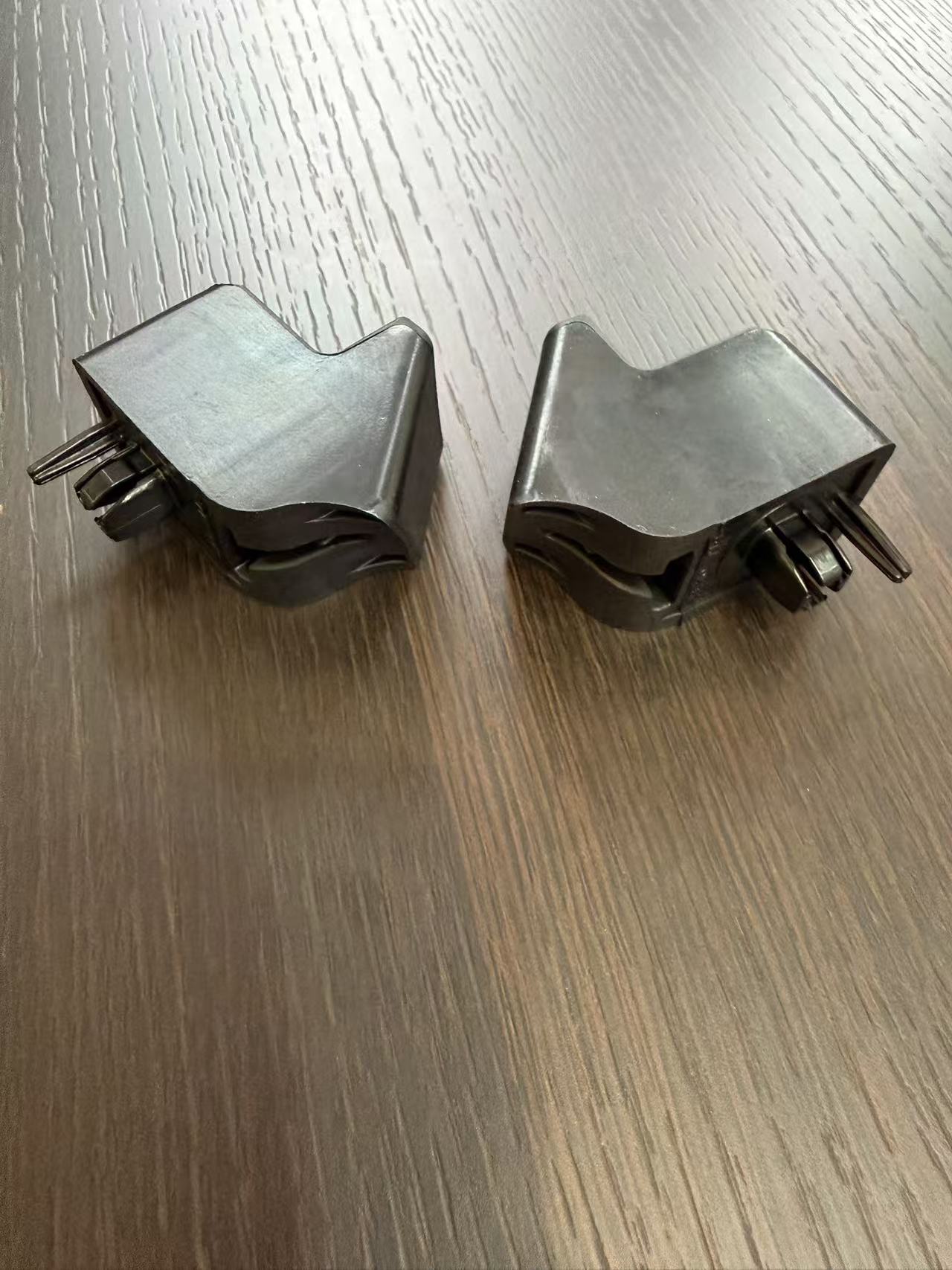
Custom rubber components bonded to plastic — common in automotive vibration-damping and sealing projects.
Component Families for Industrial Rubber Products
Most projects can be served by six component families. Sealing systems often combine O-rings, gaskets, seals, grommets, and in some cases rubber diaphragms and custom-molded parts. Each family has documented types that map to different project functions:
- Rubber gaskets — oil-resistant, chemical-resistant, high-temperature, low-temperature/cryogenic, food-grade/FDA-approved, medical-grade, and high-pressure/flange gaskets.
- Rubber seals — hydraulic, pneumatic, oil/engine, high-temperature, low-temperature/cryogenic, chemical-resistant, food-grade/FDA-approved, medical-grade, and high-pressure seals.
- Rubber O-rings — static seal, dynamic seal, hydraulic, pneumatic, food-grade, and medical-grade O-rings.
- Rubber grommets — wire/cable protection grommets; sealing, waterproof, and dustproof grommets; vibration/damping grommets.
- Rubber washers — sealing, vibration-damping, insulating, waterproof, and cushion washers.
- Rubber dampers — machinery vibration dampers, automotive rubber dampers, electronic equipment dampers, and pipe/vibration mount dampers.
Because these parts operate as assemblies, the production process is also a project variable. At Longrun, parts are assembled according to each customer's assembly process and matched to the customer's assembly scenarios and application environment. The products are designed for high temperature, low temperature, high pressure, vibration, chemical exposure, and various environments, and provide sealing, vibration damping, dustproof, waterproof, corrosion-resistant, and oil-resistant protection. This application pattern is common in the United States, Germany, Australia, United Kingdom, France, Switzerland, Spain, Turkey, Canada, Italy, Mexico, Portugal, and Russia.
Material Options for Custom Rubber Molding
Material selection is the core of scenario adaptation. Longrun offers custom molding in EPDM; NBR (Buna-N); NR; CR (Neoprene); FKM (Viton); SBR; HNBR; and silicone rubber (SiR/VMQ), including medical-grade silicone rubber. For silicone sealing applications, food-grade silicone rubber and medical silicone rubber are available in seal, gasket, and O-ring formats — including silicone rubber seals and silicone rubber O-rings — and liquid silicone rubber (LSR) is part of the broader silicone molding landscape.
Each material family responds differently to temperature, chemicals, and mechanical stress. The right choice depends on the project's working environment, not on a fixed rule. A silicone rubber seal may fit food and medical equipment where hygiene and temperature performance matter. An EPDM component is frequently associated with automotive and construction-driven programs. NBR (Buna-N) is commonly considered where oil-resistant sealing is needed. FKM (Viton) is typically specified for high-temperature or aggressive chemical environments. NR, CR, SBR, and HNBR are custom options selected according to the target physical properties. In the automotive segment, rubber molded products for automotive applications include dampers, seals, grommets, and bonded assemblies.
Six Steps to Match Rubber Products to a Project
Step 1: Define the Operating Conditions
Start with the environment. List maximum and minimum temperature, pressure levels, exposure to chemicals or fluids, vibration levels, and whether the part is dynamic or static. This information determines the material family and the physical property targets.
Step 2: Identify the Required Functions
Define what the part must do. The standard function set for industrial rubber products includes sealing, vibration damping, dustproof, waterproof, corrosion-resistant, and oil-resistant protection. A single part may need several functions at once, such as a grommet that seals and dampens vibration around a cable pass-through.
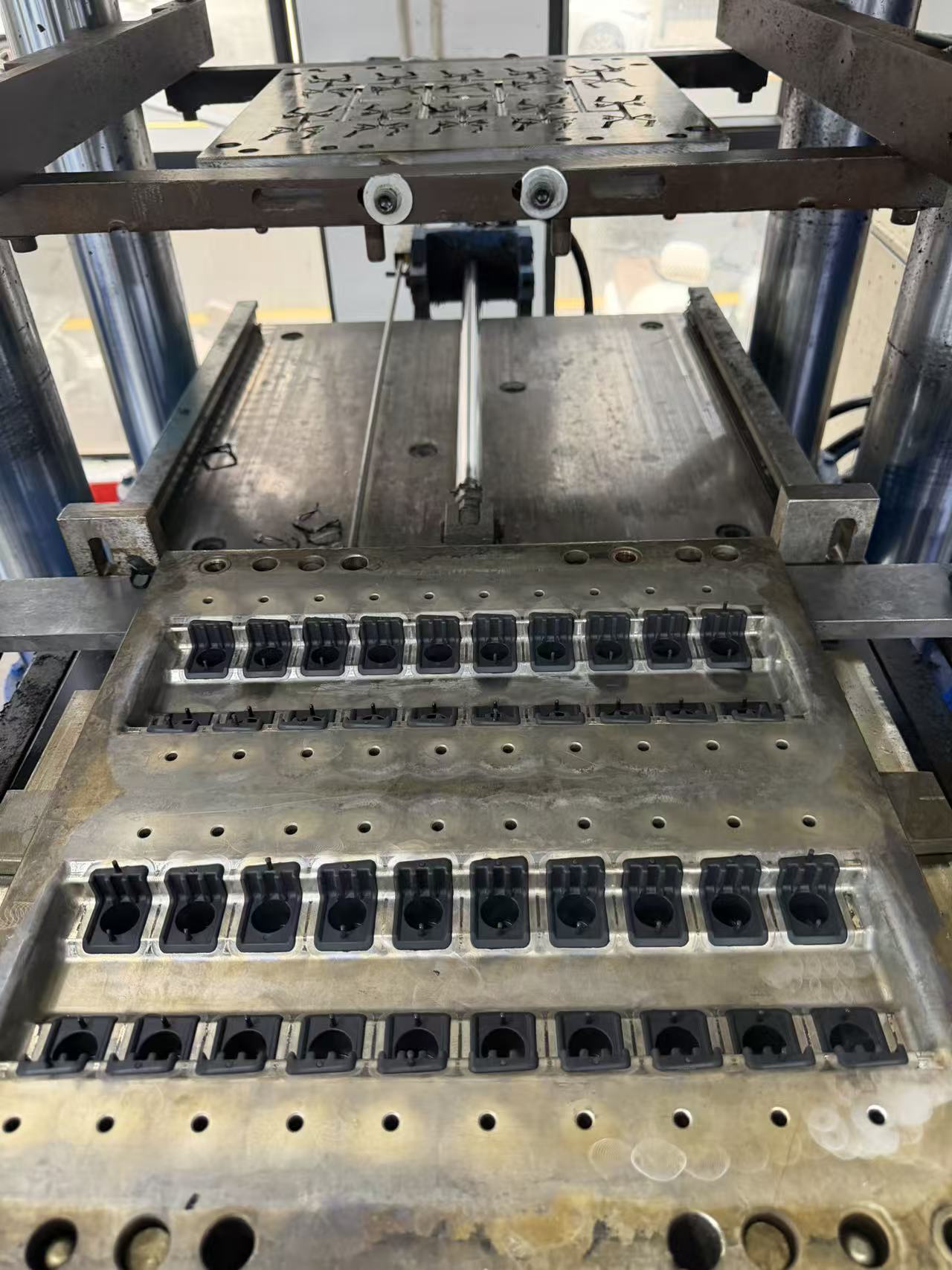
Rubber-to-plastic bonded parts in production — a typical requirement in automotive programs.
Step 3: Choose the Component Type
Map the function to a component family. Use gaskets for flange and mating-surface sealing; seals for hydraulic, pneumatic, or engine systems; O-rings for static or dynamic circular sealing; grommets for wire and cable protection; washers for sealing, insulation, or cushioning; and dampers for vibration and noise control.
Step 4: Select the Material Family
Match the material to the environment and compliance requirements. For food and medical projects, review food-grade and medical-grade options. For automotive programs, confirm the material meets the project's temperature, oil, and durability targets. If the part will face multiple conditions, ask the supplier to recommend a material that balances all of them.
Step 5: Specify Custom Parameters
Define hardness, dimensions, color, and physical properties. These four parameters are the standard customization points for custom rubber molding. Precise dimensions are especially important for parts that must meet tight assembly tolerances; ISO 3302-1 is the reference standard for dimensional tolerances on molded rubber products.
Step 6: Validate with the Supplier
Send drawings, material preferences, quantity targets, and application details to the supplier. Confirm quality control procedures — at Longrun, quality control includes 100% testing — and agree on lead time and MOQ. Longrun's typical lead time is 20 days, and MOQ is defined according to customer requirements. Early validation prevents surprises during production ramp-up.
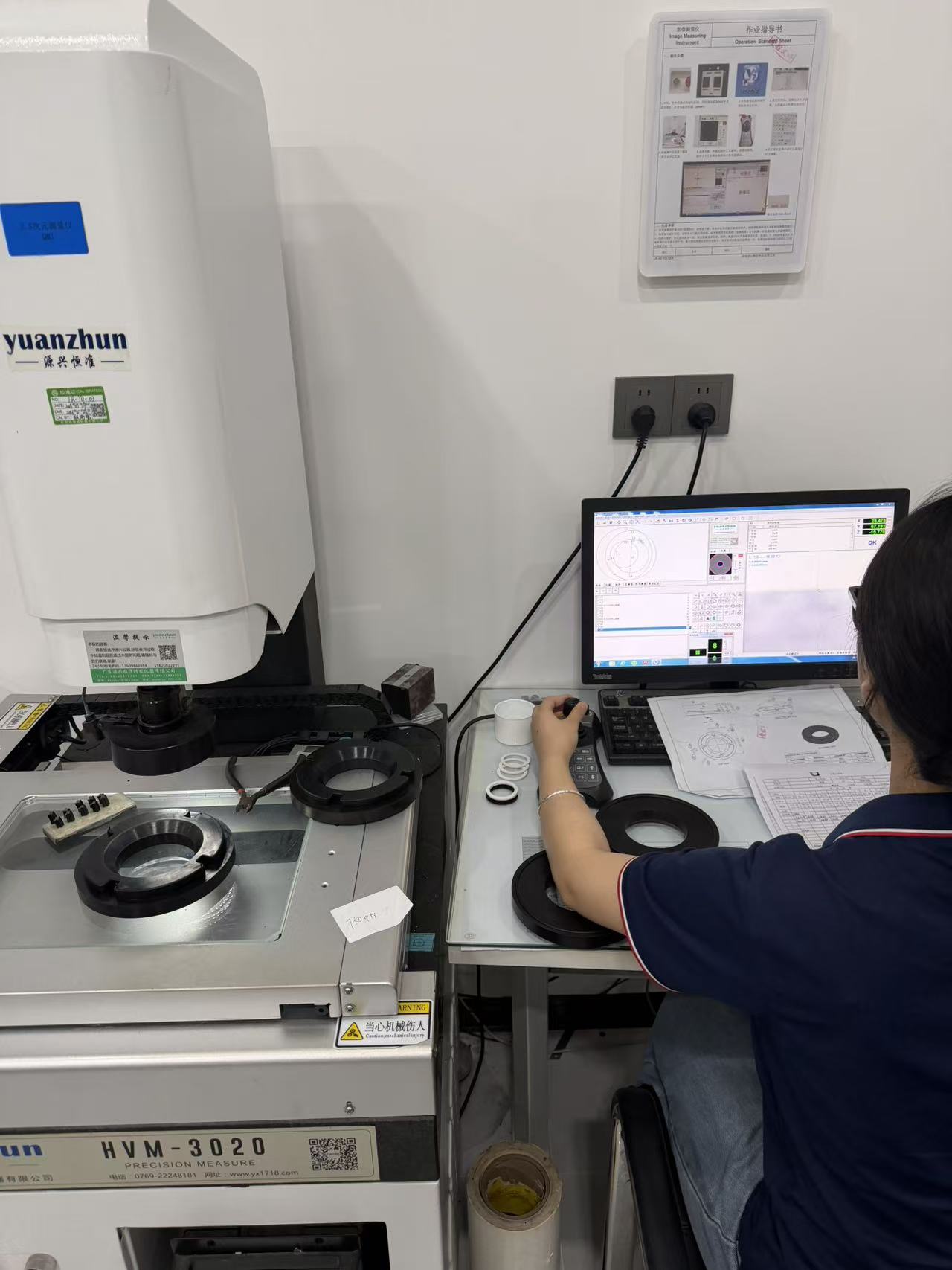
Inspection is part of quality control for custom rubber parts; Longrun applies 100% testing.
Use Cases: Scenario Adaptation in Practice
Food/Medical/Sanitary Machinery Project (United States)
A US customer in food, medical, sanitary, and machinery applications has used Longrun rubber gaskets for five years, with annual volume of 3,000k units. The gaskets support vibration and noise reduction, cushioning and protection, dustproof and waterproof protection, and resistance to heat and chemicals. The documented results are tensile strength ≥ 8 MPa, elongation at break ≥ 450%, and tear strength ≥ 35 kN/m. The program highlights include long lifespan, Cpk > 1.33, defect rate < 150 ppm, and precise dimensions.
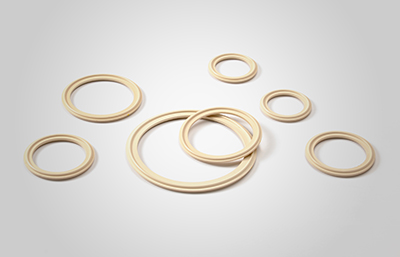
Finished rubber gaskets produced for a food/medical/sanitary program.
Automotive Rubber Parts OEM Project (United States)
A US automotive OEM uses Longrun rubber dampers for shock absorption and noise reduction, sealing and leakage prevention, conveying media, and protection of transmission components. The program has run for five years at 1,000k units per year. Documented results are tensile strength ≥ 7 MPa, elongation at break ≥ 400%, and tear strength ≥ 15 kN/m. The highlights include long lifespan, Cpk > 1.33, defect rate < 150 ppm, precise dimensions, and reliable rubber-to-plastic bonding.
Comparison: Component Types and Material Context
| Component Family | Documented Types | Typical Project Function |
|---|---|---|
| Rubber gaskets | Oil-resistant; chemical-resistant; high-temperature; low-temperature; food-grade/FDA; medical-grade; high-pressure/flange | Sealing for flange and high-pressure joints |
| Rubber seals | Hydraulic; pneumatic; oil/engine; high-temperature; low-temperature; chemical-resistant; food-grade/FDA; medical-grade; high-pressure | Sealing and leakage prevention in fluid and air systems |
| Rubber O-rings | Static seal; dynamic seal; hydraulic; pneumatic; food-grade; medical-grade | Circular static or dynamic sealing |
| Rubber grommets | Wire/cable protection; sealing/waterproof/dustproof; vibration/damping | Cable pass-through protection and dust/water sealing |
| Rubber washers | Sealing; vibration-damping; insulating; waterproof; cushion | Load distribution, sealing, insulation, cushioning |
| Rubber dampers | Machinery vibration; automotive; electronic equipment; pipe/vibration mount | Vibration damping and noise reduction |
The material comparison below uses market context and documented availability. Note that exact project fit depends on the operating conditions and physical property targets, not on market size alone.
| Material | Market Context | Common Project Fit |
|---|---|---|
| EPDM | Market estimated at USD 10.54 billion in 2024, driven significantly by automotive and construction sectors (Market Research Future) | Automotive and construction-driven programs; available for custom molding |
| Silicone rubber (SiR/VMQ), including medical grade and LSR | Medical-grade silicone market USD 7.95 billion in 2024, expected to reach USD 14.2 billion by 2035 (Market Research Future); LSR market USD 2.9 billion in 2024 with 9.6% CAGR through 2033 (Acumen); automotive held 34.1% LSR revenue share in 2023 (Grand View Research) | Food-grade, sanitary, and medical-grade sealing components such as sanitary gaskets, silicone rubber seals, and silicone rubber O-rings |
| NBR (Buna-N) | Custom material option for molded parts | Often considered for oil-resistant sealing applications |
| FKM (Viton) | Custom material option for molded parts | Typically specified for high-temperature and aggressive chemical environments |
| NR, CR (Neoprene), SBR, HNBR | Custom material options for molded parts | Selected according to target environment and physical property requirements |
FAQ
1. Which compliance standards should I check for rubber products in food, medical, and automotive projects?
ASTM D2000 is the primary classification system for rubber products in automotive and industrial applications. For rubber articles intended for repeated food contact, FDA 21 CFR 177.2600 specifies the requirements. ISO 3302-1 provides dimensional tolerances for molded rubber products. For food and medical projects, buyers should confirm that the supplier can provide food-grade and medical-grade variants; Longrun documents food-grade/FDA-approved and medical-grade options for gaskets, seals, and O-rings.
2. Can a manufacturer customize rubber parts to fit specific project conditions?
Yes. Custom rubber molding allows hardness, dimensions, color, and physical properties to be adjusted to the application. Longrun supports OEM production of custom rubber molded parts, offers materials from EPDM and NBR to FKM and medical-grade silicone, and applies 100% testing as part of quality control. The company's 20-engineer R&D team supports drawing-based development and assembly-specific requirements.
3. How do material and specification choices affect the cost of custom rubber parts?
Material families carry different raw-material cost structures, and the final quotation depends on the selected grade, dimensions, hardness, physical property targets, volume, and testing requirements. Because MOQ is defined according to customer requirements at Longrun, buyers can align quantity with project budget. The reliable way to estimate cost is to share drawings and operating conditions and request a project-based quotation.
4. Can I request samples before full production?
Sampling feasibility is confirmed during inquiry. Buyers should provide drawings, material preferences, and target volumes so the supplier can verify the tooling and molding approach. Since Longrun's MOQ follows customer requirements and quality control includes 100% testing, sample and production parts can be checked against the same specification.
5. What is the typical lead time for custom molded rubber parts?
A typical lead time at Longrun is 20 days, with MOQ set according to customer requirements. Tooling, material, and specification complexity all influence scheduling, so early submission of drawings and target volumes helps the supplier provide a reliable timeline. To start a project review, share your drawings and application details with the Longrun team to confirm feasibility and receive a quotation.
Conclusion
In scenario-based procurement, the supplier's job is not only to mold a part. It is to convert operating conditions into a manufacturable rubber product. Buyers who define the environment, map the required functions, choose the right component type and material family, and validate with a supplier that performs 100% testing reduce the risk of premature failure and repeated sourcing cycles.
Next step: discuss your project with Longrun Rubber.
Longrun Rubber Products (Huizhou) Co., Ltd. supports custom rubber molding for gaskets, seals, O-rings, grommets, washers, and dampers in EPDM, NBR, FKM, silicone, and other materials. Download the company brochure for manufacturing capabilities, or contact Tommy Liu / Victor Hang at tommyliu@longrunrubber.com / hang@longrunrubber.com, Tel/WhatsApp +86 13006697998. Address: 7# factory building, No. 27 Songbailing Avenue, The start-up area of China-South Korea Huizhou Industrial Park, Zhongkai High-tech Zone, Huizhou, Guangdong, 516302, China.
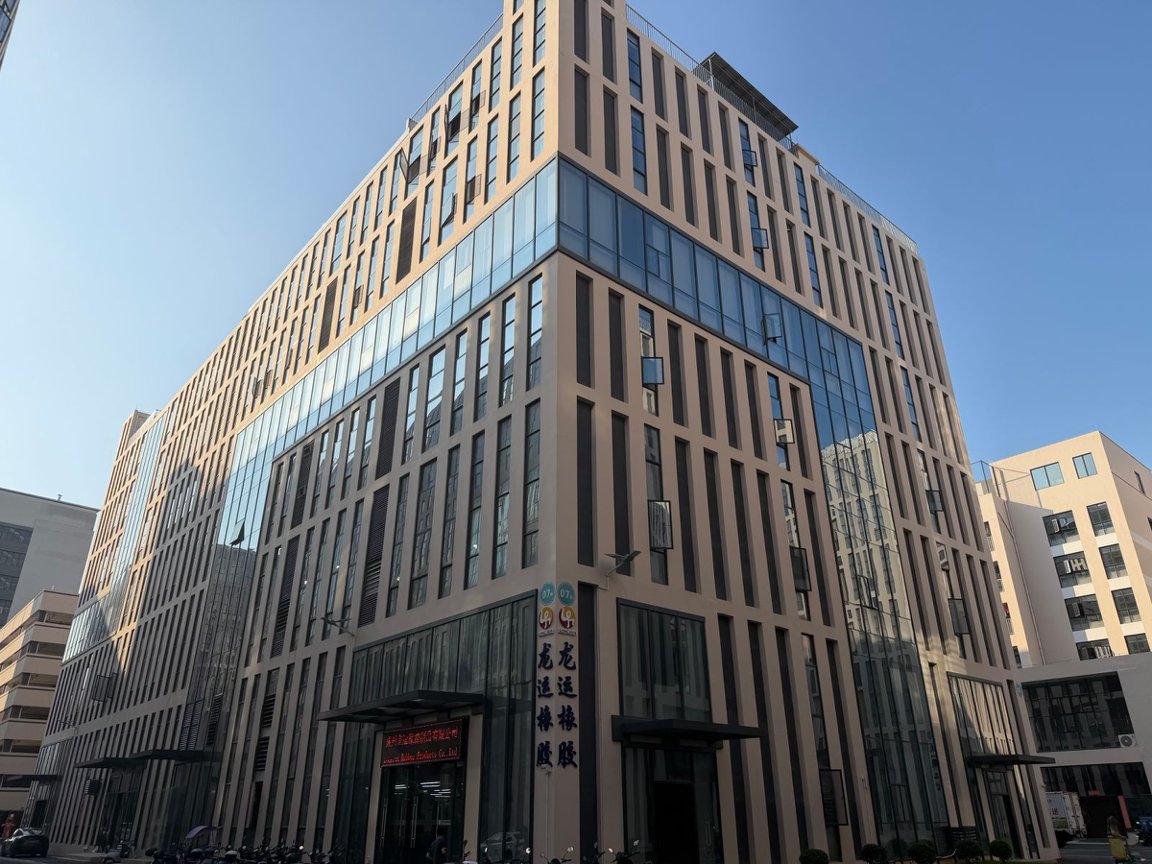
Longrun Rubber factory in Huizhou, Guangdong, China.
Have Questions or Need More Details?
Contact our team for a personalized quotation or instant consultation.
Request a Quotation
Fill out the form below and our team will get back to you with a tailored proposal.
WhatsApp Direct Chat
Prefer to chat in real-time? Message us on WhatsApp for instant assistance & quick answers.
- Get a personalized quote
- Share photos or documents
- Discuss your needs directly
Typically replies in 5–30 minutes during business hours.