
Decoding Rubber Part Specs: How Process Defines Quality
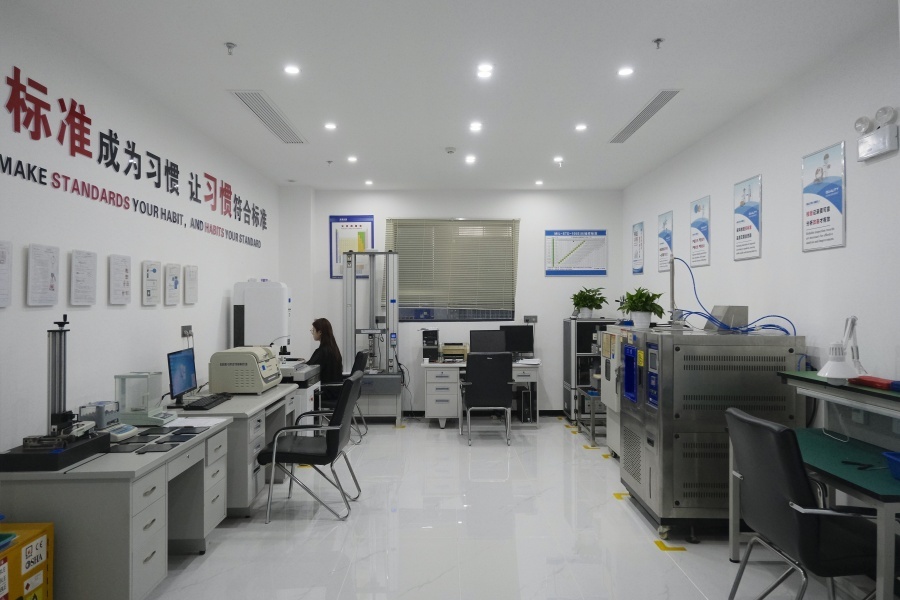
Precision inspection environment ensures every custom rubber part meets stringent dimensional and physical specifications.
Decoding Rubber Part Specifications: How Manufacturing Processes Define Quality
For procurement engineers and sourcing managers in the automotive, food processing, medical device, and industrial machinery sectors, interpreting technical parameters on a custom rubber part datasheet is not just a formality—it is the first line of defense against field failures. Yet many buyers struggle to connect abstract numbers like "tensile strength ≥ 8 MPa" or "compression set B ≤ 25%" to real-world performance. More critically, they often overlook how the manufacturing process itself dictates whether those numbers will be consistently achieved. This article provides a systematic framework for understanding rubber product specifications, explains how each production step influences quality, and offers a practical guide to selecting a supplier that can deliver both numbers and reliability.
What Are Technical Parameters in Rubber Products?
Technical parameters are quantitative measures that define the physical, mechanical, and chemical behavior of a rubber compound under specific conditions. For industrial buyers sourcing custom rubber parts such as rubber gaskets, rubber o-rings, rubber seals, rubber dampers, and rubber washers, these parameters serve as a common language between buyer and manufacturer. The most critical parameters include:
- Hardness (Shore A): Measures resistance to indentation. Typical range for sealing applications: 40–90 Shore A.
- Tensile Strength: Maximum stress a material can withstand before breaking. Critical for dynamic seals and load-bearing components.
- Elongation at Break: How much the material stretches before failure. High elongation (>400%) indicates flexibility.
- Tear Strength: Resistance to tearing when nicked. Important for gaskets and diaphragms.
- Compression Set: Permanent deformation after prolonged compression. Low compression set ensures long-lasting seal.
- Heat Aging / Ozone Resistance: Ability to retain properties after exposure to heat or ozone. Key for outdoor and under-hood applications.
| Parameter | Typical Test Standard | Common Range (EPDM) | Why It Matters |
|---|---|---|---|
| Hardness | ASTM D2240 | 60–80 Shore A | Sealing force, installation ease |
| Tensile Strength | ASTM D412 | 7–12 MPa | Resistance to rupture under pressure |
| Elongation at Break | ASTM D412 | 300–600% | Flexibility, conformability to surfaces |
| Compression Set B | ASTM D395 | 15–35% | Long-term sealing retention |
How Manufacturing Processes Influence Rubber Part Quality
A specification sheet is meaningless if the manufacturing process cannot deliver repeatable results. The journey from raw material to finished part involves several critical stages, each of which impacts the final numbers.
1. Compound Formulation
Every rubber part begins with a custom compound. The choice of base polymer—whether EPDM rubber, Nitrile (NBR), Silicone Rubber, FKM, or Natural Rubber—dictates the material’s inherent resistance to oil, temperature, and chemicals. For example, Silicone Rubber offers excellent high-temperature stability and FDA compliance for food-grade applications, while EPDM excels in ozone and weathering resistance. Additives such as curatives, accelerators, fillers, and plasticizers are precisely weighed and mixed. A manufacturer certified under ISO 9001:2015 (certificate number FM 840583) and IATF 16949:2016 (certificate number 0601909) follows strict control plans and FMEA during this stage, ensuring batch-to-batch consistency.
2. Molding Process
The three most common molding techniques are compression molding, transfer molding, and injection molding. Each affects dimensional accuracy, flash, and cycle time. For high-precision components like rubber o-rings and sanitary gaskets, injection molding offers tighter tolerances and faster cycles, but requires precise mold design and temperature control. Longrun Rubber’s workshops are equipped with both rubber compression and liquid silicone rubber (LSR) injection lines, covering a wide hardness range. The molding temperature, pressure, and cure time are all controlled per the Control Plan (CP) derived from process FMEA.
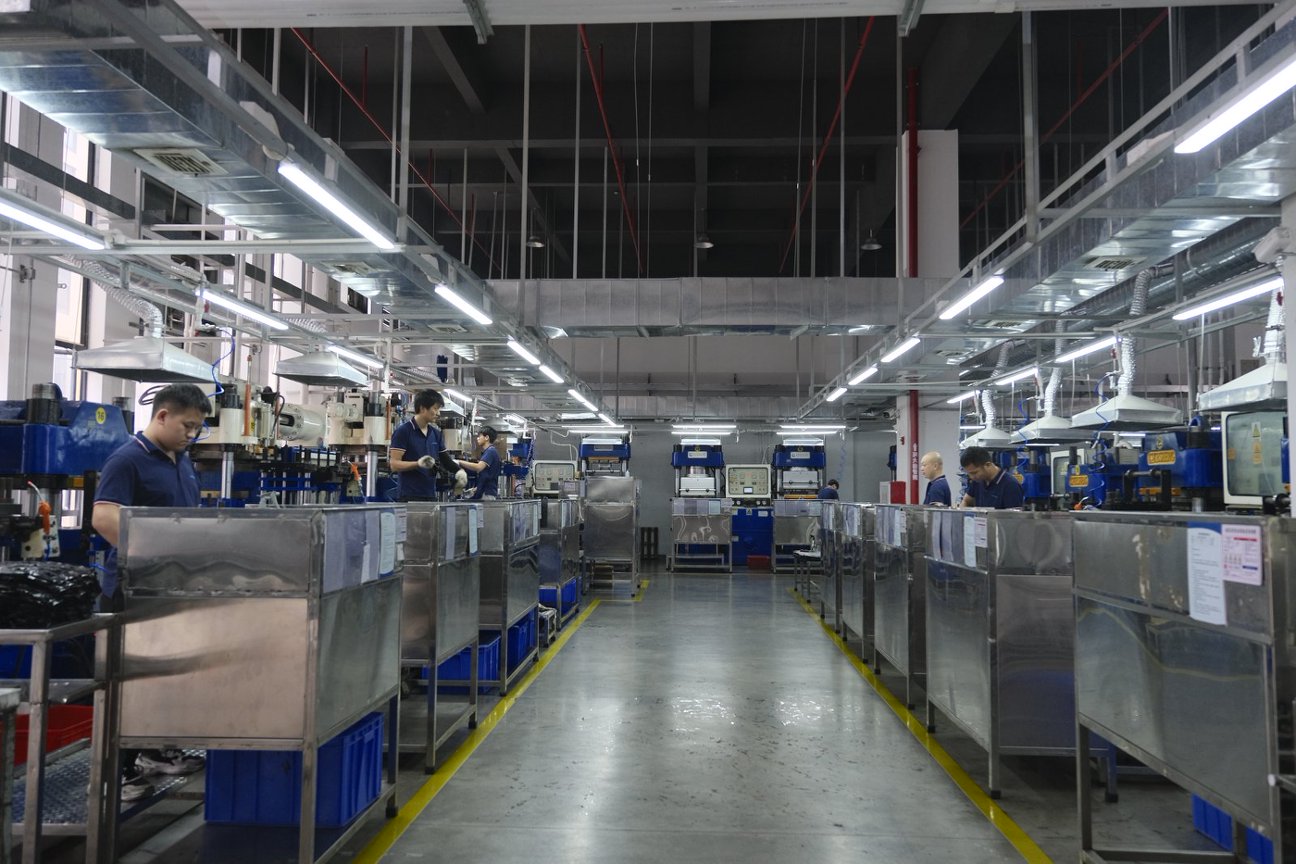
Well-maintained molding presses ensure consistent crosslinking density and dimensional stability.
3. Curing (Vulcanization)
Vulcanization converts the plastic rubber compound into an elastic, durable material. The curing curve—measured by a rheometer—directly determines tensile strength, elongation, and compression set. Under-cured parts become sticky and weak; over-cured parts become brittle. Longrun uses real-time rheometer monitoring to optimize the cure time for each compound, achieving target physical properties such as tensile strength ≥ 8 MPa and elongation ≥ 450% in food-grade silicone rubber applications.
4. Post-Processing and Inspection
After molding, parts go through deflashing (trimming), washing, and 100% inspection. Automated vision inspection (CCD) and manual checks catch defects like short shots, bubbles, and flash. Only parts that pass are shipped. Longrun’s defect rate is maintained below 150 ppm, with a process capability index Cpk > 1.33—a direct outcome of disciplined process control.
Case Study: Food-Grade Silicone Rubber Gasket – From Spec to Supply
A US-based food equipment manufacturer needed a sanitary gasket made of food-grade silicone rubber for a high-volume assembly line (3000k units per year). The required specifications included tensile strength ≥ 8 MPa, elongation ≥ 450%, and tear strength ≥ 35 KN/m. Longrun Rubber was selected because of its certified quality systems and proven track record.
Project duration: 5 years ongoing
Key results achieved:
- Tensile strength ≥ 8 MPa
- Elongation at break ≥ 450%
- Tear strength ≥ 35 KN/m
- Cpk > 1.33, defect rate < 150 ppm
- Precise dimensions ensuring leak-proof assembly
The customer attributes this consistency to Longrun’s strict in-process inspection and material traceability, from raw material receiving to final packaging.
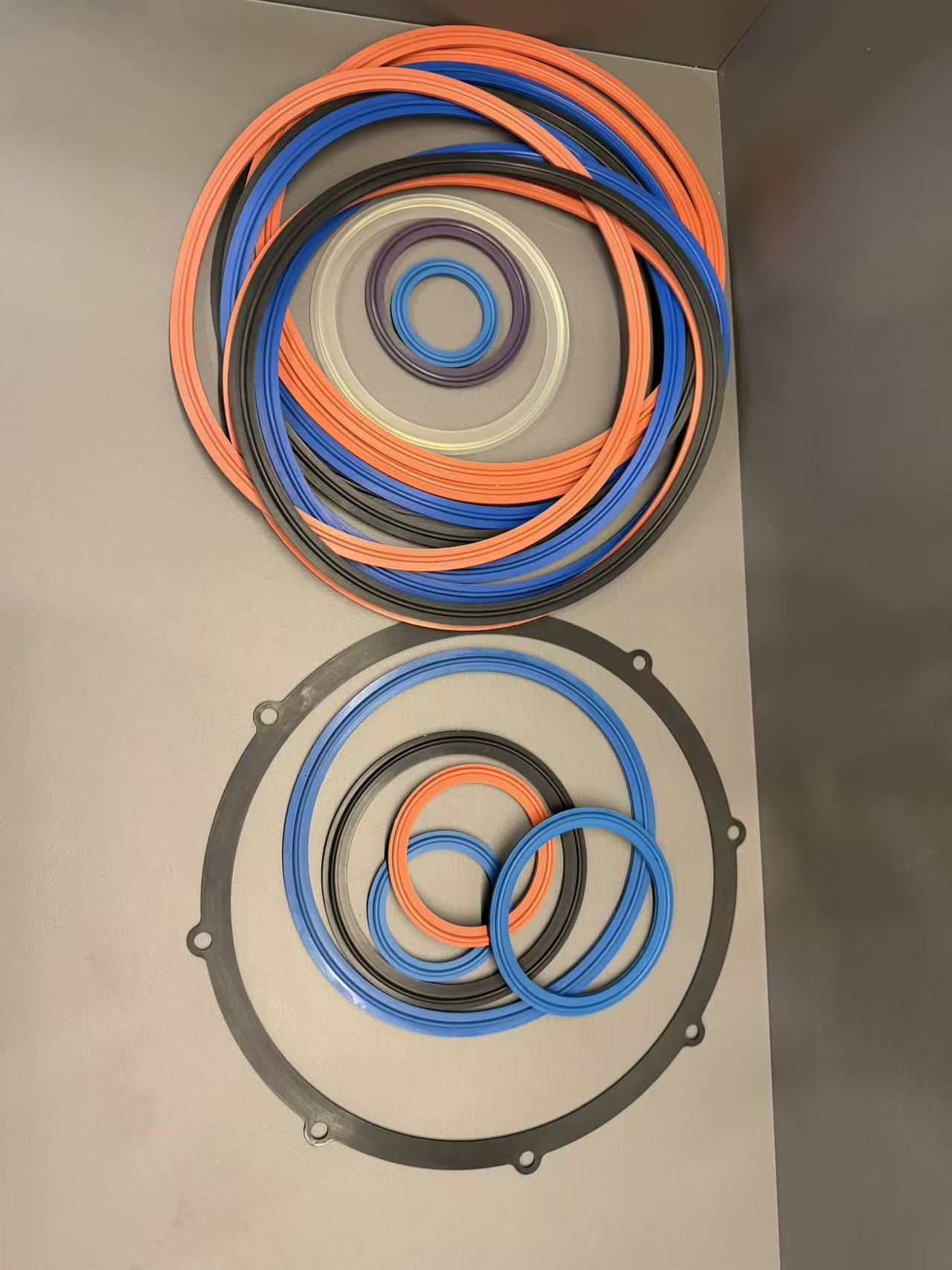
Finished food-grade silicone rubber gasket produced under ISO 9001 and IATF 16949 quality systems.
Selecting a Solution Provider: What to Look For
When evaluating suppliers of custom rubber molded components, focus on these three dimensions:
- Certified Quality Management System: Look for ISO 9001 and ideally IATF 16949 certification (e.g., Longrun holds both with valid certificates from BSI).
- Process Control Capability: Does the manufacturer use FMEA and Control Plans? Do they perform 100% inspection with automated vision systems?
- Material Traceability and Customization: Can they provide custom compounds for specific environments (e.g., high temperature, chemical exposure, food contact)? Request a material data sheet and certificate of analysis.
Comparison with standard solution providers: Standard suppliers may offer lower initial unit price but often lack the engineering support, process stability, and quality assurance that reduce total ownership cost. Longrun’s approach—supported by qualified engineers (20-person R&D team) and over 3000 customized projects—has demonstrated a 25% reduction in total cost over three years due to fewer field failures and reduced downtime.
Common Buyer Concerns Addressed
Q: What does "tensile strength ≥ 8 MPa" mean for my application?
A: It indicates the material can withstand a pull force of 8 megapascals before breaking. For dynamic seals and gaskets under pressure, this value ensures the part won’t rupture during installation or operation.
Q: Why do EPDM and Silicone Rubber have different hardness ranges?
A: EPDM typically offers a wider hardness range (40–90 Shore A) with excellent ozone resistance, while Silicone is softer (20–80 Shore A) but can operate from -60°C to 230°C. The choice depends on the service environment.
Q: How can I ensure batch-to-batch consistency from a Chinese supplier?
A: Verify their quality system certifications (ISO 9001, IATF 16949) and ask about process controls like rheometer monitoring and 100% vision inspection. Longrun provides full traceability and pre-shipment test reports.
Q: What is the minimum order quantity (MOQ) for custom rubber parts?
A: MOQ varies by product complexity and material. Longrun offers flexible MOQ and can handle both prototyping and mass production with a typical lead time of 20 days.
Conclusion: From Specs to Success
Understanding technical parameters is only half the battle—the manufacturing process is what turns those numbers into reliable performance. By selecting a partner like Longrun Rubber with certified quality systems, engineering expertise, and a track record of delivering precise custom rubber parts for automotive, food, medical, and industrial applications, buyers can bridge the gap between specification sheets and field results. Always demand documented process controls, inspect the supplier’s facility (physically or virtually), and insist on pre-shipment testing for critical parameters.
📥 Download the full company brochure for a deep dive into Longrun’s manufacturing capabilities, quality certifications, and case studies: Longrun Rubber Product & Capability Brochure (PDF)
Have Questions or Need More Details?
Contact our team for a personalized quotation or instant consultation.
Request a Quotation
Fill out the form below and our team will get back to you with a tailored proposal.
WhatsApp Direct Chat
Prefer to chat in real-time? Message us on WhatsApp for instant assistance & quick answers.
- Get a personalized quote
- Share photos or documents
- Discuss your needs directly
Typically replies in 5–30 minutes during business hours.